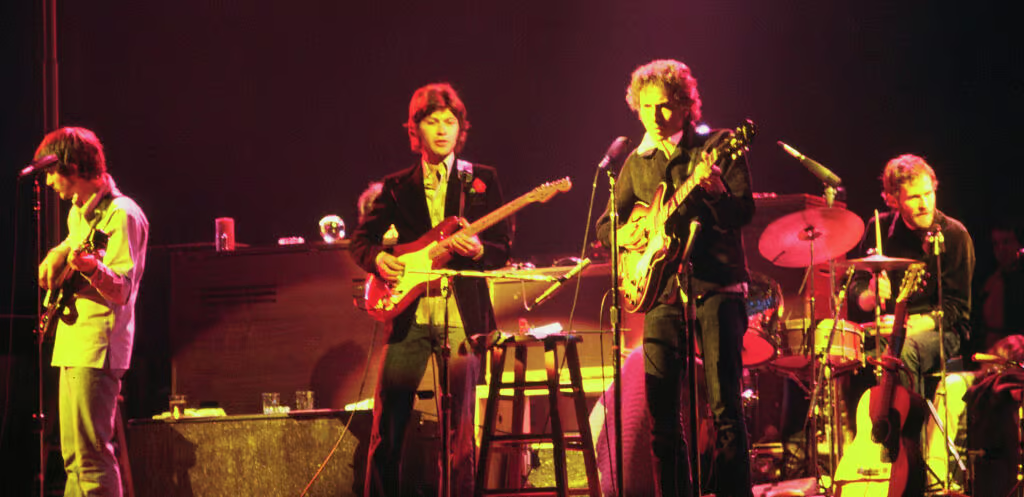
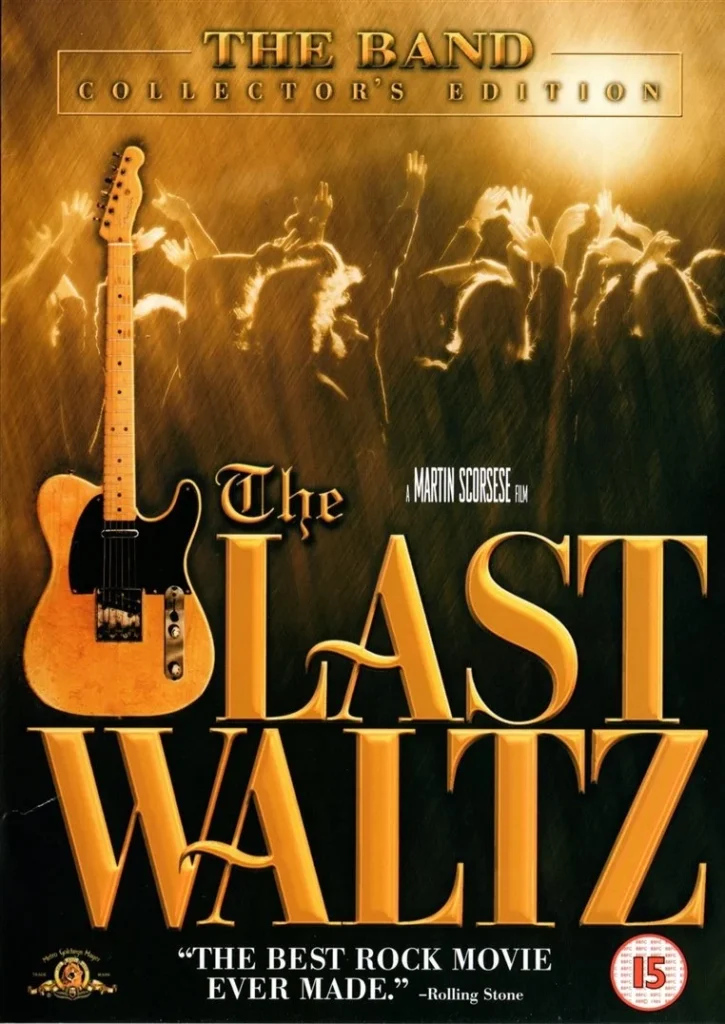
A few days ago I finally saw “The Band – The Last Waltz” (1978) in a Copenhagen movie theater. Due to the film’s 50th anniversary it can be relived and enjoyed in numerous theaters and streaming services around the globe these days.
It is a wonderful concert film, and unique in atmosphere and storytelling. Its cardinal virtue is its loving embracement of live music – and the obvious enjoyment among the fine soulmate musicians on stage. As supplement we witness intimate talks and short interviews (without hearing the questions asked). Remarks from The Band’s members are sometimes philosophical, sometimes downright understated or ironic in a low-key way. But the guys all seem at peace with themselves, thoughtful in a quiet way and sincere. No brawling, no arrogance or lame, punchline rock n roll rhetorical clichés.

Design. Build. Launch. No Code Needed.
From portfolio websites to full webshops – Elementor lets you build custom WordPress sites visually, fast and beautifully. Join 14M+ users who choose freedom, flexibility, and full design control.
Dylan was in fact the one kickstarting them when he hired The Band as his backing ensemble. From then things started to happen
ADVERTISEMENT
The Easiest Way to Stay GDPR-Compliant

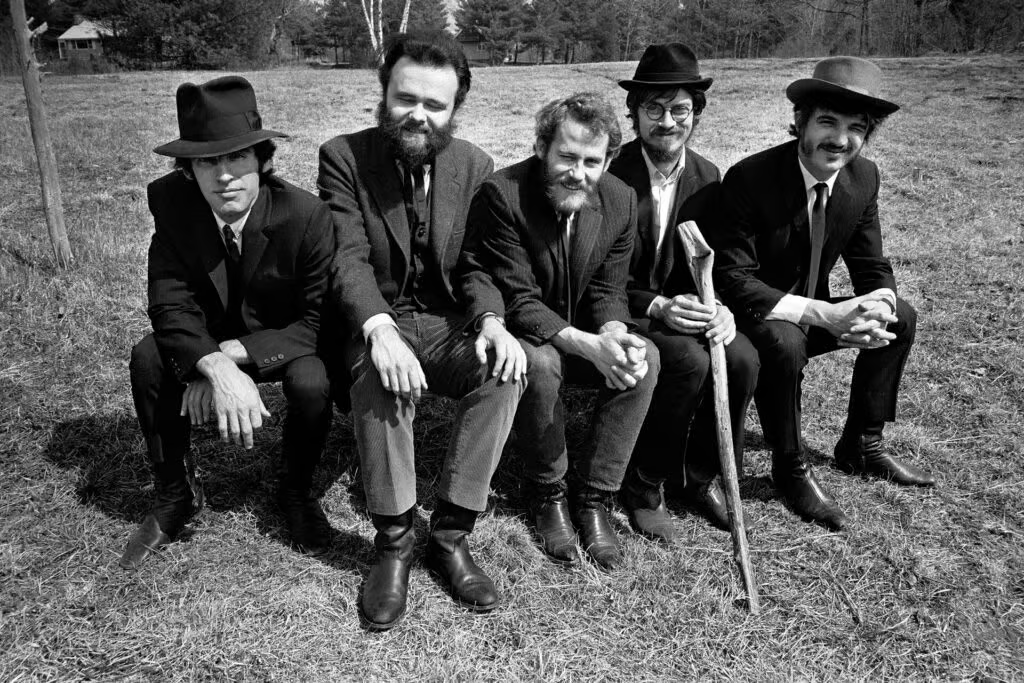
The Canadian/American quintet The Band played from 1965-76 (occasionally a few more concerts during the following seven years – and in fact a very final album in 1998). Most of the time touring, rarely investing in long studio recordings. I heard them when I was a kid in the 80s – they were a sacred part of my fathers album collection. Especially the The Basement Tapes with Bob Dylan drew my attention.
Dylan was in a momentary creative crisis as far as composing music at the time, so timing with teaming up with these guys was perfect
ADVERTISEMENT
Dylan was in fact the one kickstarting them, when he hired The Band as his backing ensemble. From then things started to happen. In fact he wrote around 70 percent of the songs – but he was in a momentary creative crisis as far as composing music at the time, so timing with teaming up with these guys was perfect. It was a highly collaborative process: Dylan would present words or final lyrics, melody lines for vocals and perhaps a few starting chords. The Band then took it from there and elaborated and improvised until they got the collective result they all wanted
So this magnificent album should fairly be credited both Dylan and The Band. As a little curiosity: It was Dylan who did the painting artwork for the front cover of The Basement Tapes.
Blues, Americana, folkrock – but later more playful, experimental formats and styles
Trip down memory lane to my teen years. Whenever they played their standard blues/americana/folkrock, I did not adore them at all. But I always had the feeling that there was something more to this ensemble – musical versatility and a sound and body feeling of waking up, instantly more alive, ready to sing along and dance.
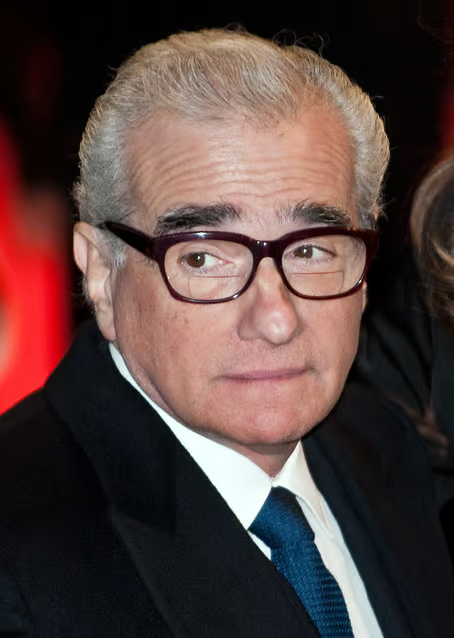
So, I was curious about this concert movie. The fact that it was directed by Martin Scorsese did not diminish my hopes.
The movie is 1:58 long, and the first half honestly bored me a bit. Again: Formulaic blues with licks, standard bass lines and drum patterns. My brother whispered to me “Gosh, they just sound like a decent mature high school band”. On the other hand: The apparent enjoyment and organic feel, almost like they played with one body and mind – that was a thrill. They were like five friends having a feast of both music and genuine friendship.
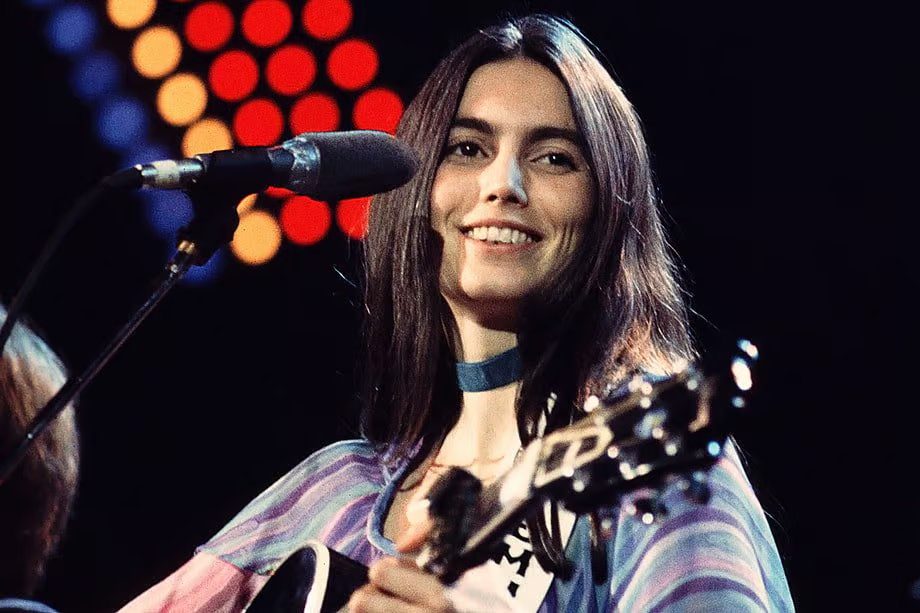
The attendance of good friends and famous colleges just made the spices stir and the room and cloud shivered with joy. Bob Dylan, Emmylou Harris, Eric Clapton, Ringo Starr, and more
The second part of the movie. Like a mirage, but happening for real. A great rollercoaster of musical intelligence, variation, quality, room for improvisation, always followed seamlessly by the other members. The sang lead vocals all of them depending on the track – and their timing and harmonies, though often unison, was great. And this is one of the groups trademarks, and have stuck to it most of the route of their career.
As stated, The Band played straight-line blues and folkrock to begin with. But around 1970 they expanded their soundscapes: organs, accordion, saxophone and mandolin. All instruments played by themselves. This indeed enriched the ensembles sound and atmosphere, drawing it more towards old (Irish/Scottish/English) folklore and dreamy, enchanted worlds.
They smoke a few cigarettes – but no substances, alcohol or stronger remedies are on the table or in the backstage or private tableaus
A comparison could be drawn here to what Led Zeppelin – and later Robert Plant solo – did. I enjoyed Robert Plant & Saving Grace last year in Falkonersalen, Copenhagen, last year. It was like being in an enchanted forest with fable creatures, mostly friendly, flags and trees lyrically moving in the gentle wind. My review from that show is in Danish, but I share it here anyway. Simply because I got the similar feeling in body and mind labyrinths watching especially the last good 60 minutes of “The Last Waltz”.
Congenial guest stars and friends blending perfectly in
Plus: The attendance of good friends and more famous colleges just made the spices stir and the room and cloud shivered with joy. Bob Dylan, Emmylou Harris, Eric Clapton, Ringo Starr – just to mention a few.
The guys of The Band are likeable and charming. The perfect brotherhood. Perfect solidarity and no egos causing friction or drama. They smoke a few cigarettes – but no substances, alcohol or stronger remedies are on the table or in the backstage or private tableaus. In fact we almost never see them backstage, which is odd, considering the genre.
Go groupies, no crazy parties – and whenever they talk about money, they laugh and deny, pointing out that they got virtually no money and shop like homeless people just settling with a little food to live on. Can that be true?
Perhaps a little criticism of Scorsese’s urge to paint with a beauty brush with not a single dip of ominous grey or black at all?
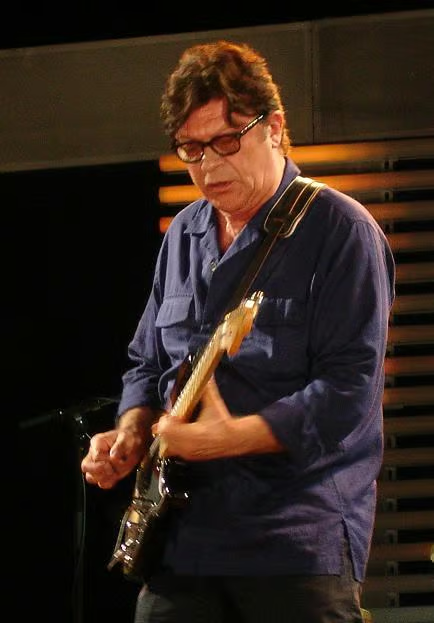
Robbie Robertson was the main composer of their songs. Credits were not an official theme back then. Also Robertson never talked about groupies, drugs, royalties and income – and after some research with my team now I understand why. Both with regards to money, but also substances. On stage they delivered to perfection – but the guys were never as clean and pure as this pastoral movie present them.
But again: Who was without addictions within the art world at the era of rock from in the 60s and 70s? So: I don’t blame the sweet guys – but perhaps a little criticism of Scorsese’s urge to paint with a beauty brush with not a single dip of ominous grey or black at all?
One of the intended tracks for “The Last Waltz” great exit show was a beautiful “traditional” folk song: Evangeline. Written by Robertson. It was perfectly suited for Emmylou Harris’ voice, and the rehearsal on stage here just proves what a genuinely beautiful voice she has. It also exemplifies the vocal abilities of the guys in the band, as the all sing choir and singular solo melodies too. Strangely, the song was not on the track list for “The Last Waltz”, but it was later recorded in 1978 – and Emmylou has done solo on later occasions. Enjoy it.
Robertson was not the most extrovert of the five members. Perhaps on stage, but not in private. He rather incarnates a contemplating and enigmatic oracle, thinking before any words come out. Not hesitantly, but with conviction and a gentle yet firm authority.
That may be the reason he got some much attention from Scorsese in the small interview parts. Another reason you will know later in this retrospective feature. Cause it turned out that Robertson was also a dominant ego with an urge to control things. We will get back to that theme later.
After the critical paragraphs that now come, I will not let it ruin my boyish or young love for The Band. It is always a bit sad whenever a fairytale turns out to have hidden turmoil and rot behind the beautiful theater curtain and a feast of assumed friends, brothers and inspired music. But – Hey, the examples of such kind are numerous through the story of music. From the days of Baroque via jazz and to rock and newer forms of shapes and sounds.
Camaraderie – but also flipsides to the brotherhood and a gradual dissolution
When Martin Scorsese filmed The Band at San Francisco’s Winterland on Thanksgiving in 1976, the performance was presented as rock music’s most dignified exit. Robbie Robertson had initiated the concert and framed the event as a definitive farewell to the road, citing sixteen uninterrupted years of touring, creative burnout, and the physical perils of a nomadic lifestyle that stretched back to Ronnie Hawkins and the Hawks and Bob Dylan’s 1966 electric tour.
Yet beneath the film’s warm, fraternal portrait, The Last Waltz was neither a mutually agreed retirement for the group – nor the end of its members’ musical lives and fates.
Helm, Danko, Manuel and Hudson did not share Robertson’s desire to dissolve the group. Instead, they largely viewed the “The Last Waltz” film as Robertson’s personal project
Behind the camaraderie captured on screen, the quintet’s internal cohesion had already deteriorated. Years of severe substance abuse involving heroin, cocaine, and alcohol, alongside car accidents and mounting financial pressure, had deeply frayed their collective foundation. Richard Manuel and Rick Danko, in particular, struggled with debilitating addictions by the mid-1970s, which eroded their creative contributions.
Robertson maintained that continuing on the road had become unsustainable, but Levon Helm, Rick Danko, Richard Manuel, and Garth Hudson did not share his desire to dissolve the group. Instead, they largely viewed the concert film as Robertson’s personal project.
The deepest divide centered on publishing rights and royalties. Robertson retained nearly all songwriting and publishing credits through Canaan Music, insisting that he wrote the lyrics and chord melodies alone, while categorising musical arrangements as the standard work of band members rather than compensable songwriting.
The transactions left Robertson controlling approximately 80 percent of the publishing catalog, establishing long-term financial security for himself while cutting the others off from sustained royalty revenue
Helm contested this bitterly in his 1993 memoir, This Wheel’s on Fire, arguing that The Band’s classic repertoire, including staples such as “The Weight,” “Up on Cripple Creek,” and “The Night They Drove Old Dixie Down,” emerged from collective arrangements, shared rhythmic grooves, and stories rooted in his Arkansas upbringing.
Over time, Manuel, Danko, and Hudson sold their stakes in Canaan Music to Robertson to fund personal expenses and substance habits. Helm refused to sell, but the transactions left Robertson controlling approximately 80 percent of the publishing catalog, establishing long-term financial security for himself while cutting the others off from sustained royalty revenue.
The Robertson/Scorsese alliance – and Manuels’ tragic suicide in 1986
While Robertson redirected his creative focus to film composition and music supervision, forging a decades-long collaboration with Scorsese on projects ranging from Raging Bull (1980) and Casino (1995) to Killers of the Flower Moon (2023), the rest of the group faced economic hardship.
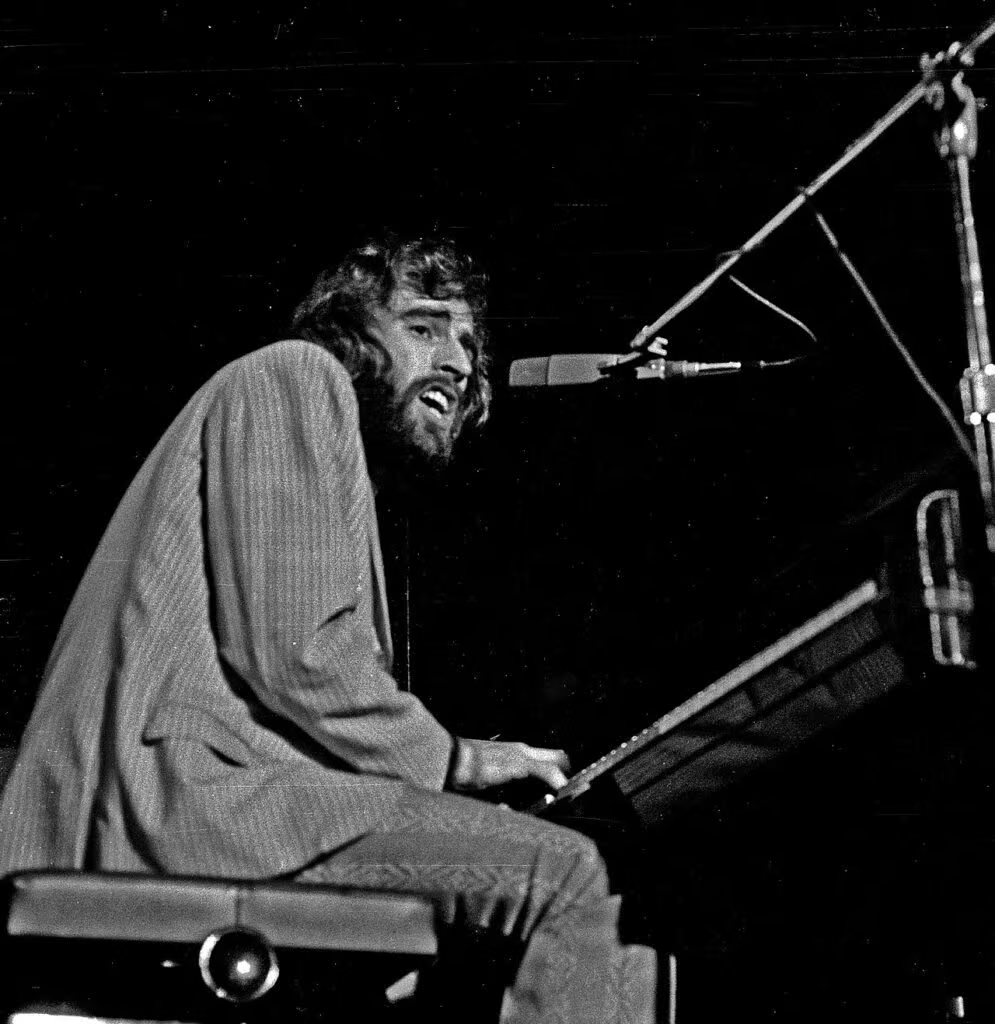
Manuel took his own life at age 42 at a Florida motel on March 4, 1986, just hours after performing at the Cheek to Cheek Lounge
In 1983, Helm, Danko, Manuel, and Hudson reunited as The Band, recruiting guitarist Jim Weider to take Robertson’s place. Robertson repeatedly declined offers to rejoin and never toured with the group again. Proudness, egotripping or fear of turning nostalgic? Your guess is as good as mine.
Without a major recording contract or new original material, the revived Band spent the early 1980s grinding through an exhausting schedule of clubs, smaller venues, and hotel lounges. The strain proved devastating for Richard Manuel. Long praised by peers such as Eric Clapton as the ensemble’s emotional core, Manuel suffered from chronic depression, alcoholism, and drug dependency.
Burdened by the punishing club circuit and the passing of longtime manager Albert Grossman, Manuel took his own life at age 42 at a Florida motel on March 4, 1986, just hours after performing at the Cheek to Cheek Lounge.
The surviving trio carried on, recording three studio albums during the 1990s: Jericho (1993), High on the Hog (1996), and Jubilation (1998). Danko also released a solo record and worked in an acoustic folk trio alongside Eric Andersen and Jonas Fjeld, but tax liens, legal disputes, and continuous substance issues forced him onto a relentless, low-budget club circuit. On December 10, 1999, Danko died of heart failure in his sleep at age 55, bringing The Band’s active career to a permanent close.
Levon Helm did not reconcile with Robertson, not even on his death bed
Financial and health crises continued to challenge Levon Helm, who was diagnosed with throat cancer in the late 1990s. The required radiation therapy severely damaged his vocal cords, while compounding medical bills, high mortgage payments, and a destructive house fire eventually forced him into bankruptcy. But it did not stop him from being creatively active.
In 2004 Helm launched the Midnight Ramble, hosting intimate ticketed performances at his home and studio barn in Woodstock to stave off foreclosure. The grassroots concerts sparked a remarkable late-career renaissance, earning Helm three consecutive Grammy Awards for Dirt Farmer (2007), Electric Dirt (2009), and Ramble at the Ryman (2011).
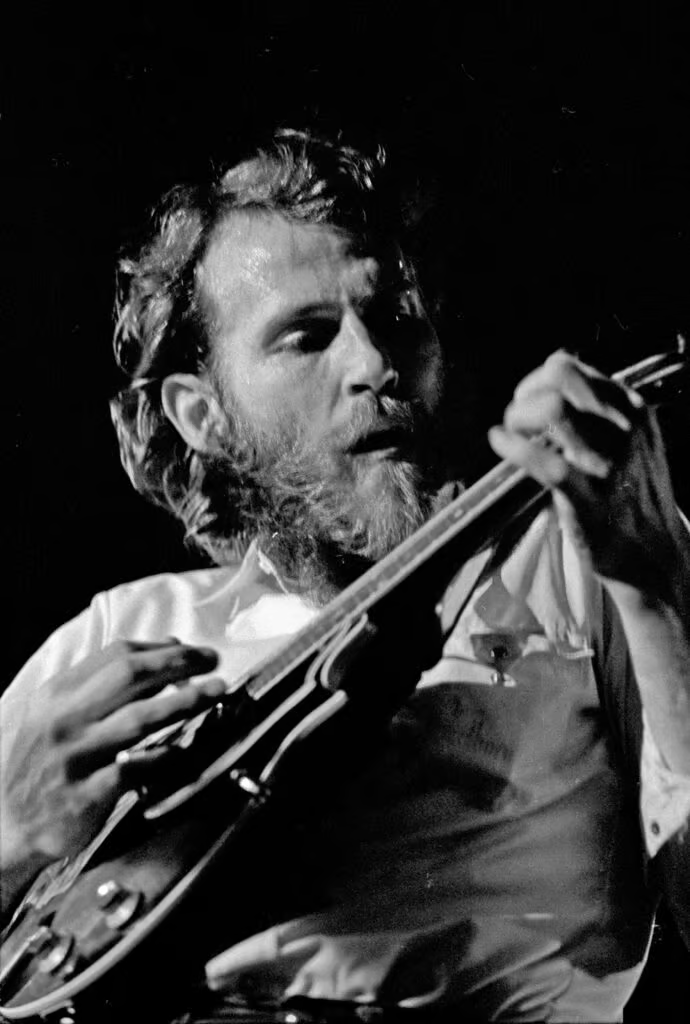
When Helm died of cancer in April 2012 at age 71, Robertson visited him in the hospital while Helm was in a coma, but the decades-long dispute over credits and catalog rights remained officially unresolved. Following Robertson’s death in August 2023 at age 80, Garth Hudson remains the sole surviving original member, leaving behind a complex legacy that proved far more turbulent than the cinematic grace notes of 1976.
Discography scores for The Band’s members after “The Last Waltz”
Rick Danko: 3 studio albums
Robert Robertson: 5 studio albums (plus scores for Scorsese films)
Levon Helm: 6 studio albums
Garth Hudson : 2 (and several live albums)
Richard Manual: 3 (all live albums)
It is worth noticing that all members worked together again on numerous occasions and releases after “The Last Waltz” over the next two decades. Often two of them finding each other on selected projects. Compilations with tracks by other artists, etc.
For instance Hko released the collaborate album The Last Time in 2022. Thus posthumously 10 years after Helm’s passing. Ands of later collaborations including two members of the group are several. All those recurrent collaborations indicate two important truths – which are full of light. One: Even though the group went through som tough quarrels and disagreements after 1976 they still shared a strong bond of brotherhood and respect. Two: Neither of them ever left their love for music, and were all productive until the ultimate end. Studio solo albums:
The Band’s discography:
Studio albums: 10
Live albums: 9 (The Last Waltz was one of them)
Compilation albums: 10
Singles: 33
Video albums: 8
Collaborative albums: 9
My Last Waltz Notes and reflections on the “The Last Waltz”
The same night and the day after the film I wrote this “retro feature”. And I must admit: I enjoyed being in a world of spontaneous, yet brilliantly executed, music and comradeship on stage.
I surprisingly enough did not miss naked women, sex in an elevator, drugs and drinks and extreme orgies, random violence or drunk driving, etc. All those clichés – though they happen to be based on historical facts through many cases with bands – we have all seen them before. And I have tried a fem of them myself.
In 1998 The Band joined forces again for the last time, recording their 10th and final album. Hardly their best – to my opinion – but it fascinates me that they found the strength and sheer, youthful excitement of just playing together again. The album is full length below – so depending on your schedule just shuffle around, or hear it later, if you enjoy it.
Yes, Scorsese gave us a pastoral. A serene and idyllic escape from those destructive themes. What perhaps happened behind the curtains and in the grim afterplay in the years following “The Last Waltz”. Cheers for that!
Why? Cause wee do NOT need added drama and extended side stories of a films characters, inferior effects, schisms, cruel betrayals and disasters. Not when we for just once can rather embrace beautiful music, breathe the same air and get in sync with a collective heartbeat, and a genuine fellowship on a live stage.
The sortie of The Last Waltz is of course the title of the film. The whole band, arms in arms with all their guest artists and friends, all head to sharing microphones. Beautiful and touching.
“The Last Waltz” was, and is still, an immaculate celebration of music, played with soul, spirit and courage, by five guys and their wonderful friends and guests on stage. So, let’s embrace the fairytale. Cause it really happened back in those years. And that is just magic and a marvel.